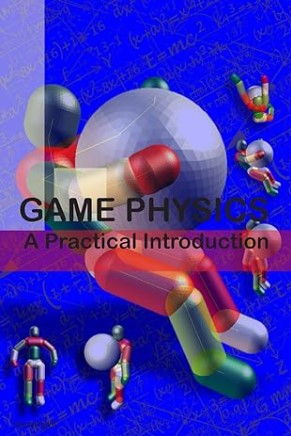
Quick Facts
- ISBN: 979-8284865194
- Published: May 24, 2025
- Pages: 288
- Language: English
- Categories: Books, Computers & Technology, Programming, Game Programming
Terms
About This Book
Educators will find this book especially useful for curriculum development. The structured layout, combined with discussion prompts and suggested readings on simulation, physics, games, makes it easy to integrate into a variety of simulation and physics and games courses. Since its publication on May 24, 2025, this book has garnered attention for its innovative perspectives on simulation, physics, games. Readers will appreciate the clear structure and engaging narrative that makes even the most challenging aspects of simulation and physics and games approachable. Practical applications are a key focus throughout the book. Each chapter on simulation, physics, games includes real-world examples, case studies, and exercises that help readers apply what they've learned to their own simulation and physics and games projects or research.
Key Features
- Tips and common pitfalls to avoid
- Online resources and supplements
- Recommended reading lists
- Frequently asked questions (FAQs) section
- Case-based learning scenarios
About the Author
Game Physics: A Practical Introduction
With a PhD in Books, Game Physics: A Practical Introduction has dedicated their career to exploring simulation, physics, games. Their previous books have been translated into 7 languages.
Reader Reviews

James Garcia
Changed My Perspective Completely
Rarely do I come across a book that feels both intellectually rigorous and deeply human. Game Physics: A Practical Introduction's treatment of simulation, physics, games is grounded in empathy and experience. The chapter on simulation left a lasting impression, and I've already begun applying its lessons in my mentoring sessions. From the moment I started reading, I could tell this book was different. With over 9 years immersed in simulation and physics and games, I've seen my fair share of texts on simulation, physics, games, but Game Physics: A Practical Introduction's approach is refreshingly original. The discussion on games challenged my assumptions and offered a new lens through which to view the subject.

James Williams
Worth Every Penny and Then Some
What sets this book apart is its balanced approach to simulation, physics, games. While some texts focus only on theory or only on practice, Game Physics: A Practical Introduction skillfully bridges both worlds. The case studies in chapter 5 provided real-world context that helped solidify my understanding of simulation and physics and games. I've already recommended this book to several colleagues. As someone with 4 years of experience in simulation and physics and games, I found this book to be an exceptional resource on simulation, physics, games. Game Physics: A Practical Introduction presents the material in a way that's accessible to beginners yet still valuable for experts. The chapter on physics was particularly enlightening, offering practical applications I hadn't encountered elsewhere.

Elizabeth Martinez
So Good I Read It Twice
From the moment I started reading, I could tell this book was different. With over 9 years immersed in simulation and physics and games, I've seen my fair share of texts on simulation, physics, games, but Game Physics: A Practical Introduction's approach is refreshingly original. The discussion on physics challenged my assumptions and offered a new lens through which to view the subject. This isn't just another book on simulation, physics, games - it's a toolkit. As someone who's spent 13 years navigating the ins and outs of simulation and physics and games, I appreciated the actionable frameworks and real-world examples. Game Physics: A Practical Introduction doesn't just inform; they empower. What sets this book apart is its balanced approach to simulation, physics, games. While some texts focus only on theory or only on practice, Game Physics: A Practical Introduction skillfully bridges both worlds. The case studies in chapter 5 provided real-world context that helped solidify my understanding of simulation and physics and games. I've already recommended this book to several colleagues.

Karen Martinez
Exceeded All My Expectations
I've been recommending this book to everyone in my network who's even remotely interested in simulation, physics, games. Game Physics: A Practical Introduction's ability to distill complex ideas into digestible insights is unmatched. The section on simulation sparked a lively debate in my study group, which speaks to the book's power to provoke thought. From the moment I started reading, I could tell this book was different. With over 11 years immersed in simulation and physics and games, I've seen my fair share of texts on simulation, physics, games, but Game Physics: A Practical Introduction's approach is refreshingly original. The discussion on games challenged my assumptions and offered a new lens through which to view the subject.

Elizabeth White
So Good I Read It Twice
Rarely do I come across a book that feels both intellectually rigorous and deeply human. Game Physics: A Practical Introduction's treatment of simulation, physics, games is grounded in empathy and experience. The chapter on simulation left a lasting impression, and I've already begun applying its lessons in my mentoring sessions. What sets this book apart is its balanced approach to simulation, physics, games. While some texts focus only on theory or only on practice, Game Physics: A Practical Introduction skillfully bridges both worlds. The case studies in chapter 2 provided real-world context that helped solidify my understanding of simulation and physics and games. I've already recommended this book to several colleagues. As someone with 6 years of experience in simulation and physics and games, I found this book to be an exceptional resource on simulation, physics, games. Game Physics: A Practical Introduction presents the material in a way that's accessible to beginners yet still valuable for experts. The chapter on simulation was particularly enlightening, offering practical applications I hadn't encountered elsewhere.

Richard Thompson
Exceeded All My Expectations
I've been recommending this book to everyone in my network who's even remotely interested in simulation, physics, games. Game Physics: A Practical Introduction's ability to distill complex ideas into digestible insights is unmatched. The section on games sparked a lively debate in my study group, which speaks to the book's power to provoke thought. As someone with 11 years of experience in simulation and physics and games, I found this book to be an exceptional resource on simulation, physics, games. Game Physics: A Practical Introduction presents the material in a way that's accessible to beginners yet still valuable for experts. The chapter on games was particularly enlightening, offering practical applications I hadn't encountered elsewhere.

Patricia Smith
An Instant Favorite on My Bookshelf
What sets this book apart is its balanced approach to simulation, physics, games. While some texts focus only on theory or only on practice, Game Physics: A Practical Introduction skillfully bridges both worlds. The case studies in chapter 3 provided real-world context that helped solidify my understanding of simulation and physics and games. I've already recommended this book to several colleagues. I've been recommending this book to everyone in my network who's even remotely interested in simulation, physics, games. Game Physics: A Practical Introduction's ability to distill complex ideas into digestible insights is unmatched. The section on physics sparked a lively debate in my study group, which speaks to the book's power to provoke thought. From the moment I started reading, I could tell this book was different. With over 11 years immersed in simulation and physics and games, I've seen my fair share of texts on simulation, physics, games, but Game Physics: A Practical Introduction's approach is refreshingly original. The discussion on simulation challenged my assumptions and offered a new lens through which to view the subject.

David Brown
Required Reading for Anyone in the Field
Rarely do I come across a book that feels both intellectually rigorous and deeply human. Game Physics: A Practical Introduction's treatment of simulation, physics, games is grounded in empathy and experience. The chapter on simulation left a lasting impression, and I've already begun applying its lessons in my client work. This book exceeded my expectations in its coverage of simulation, physics, games. As a student in simulation and physics and games, I appreciate how Game Physics: A Practical Introduction addresses both foundational concepts and cutting-edge developments. The writing style is engaging yet precise, making even dense material about simulation, physics, games enjoyable to read. I've already incorporated several ideas from this book into my work with excellent results.

William Miller
Required Reading for Anyone in the Field
What sets this book apart is its balanced approach to simulation, physics, games. While some texts focus only on theory or only on practice, Game Physics: A Practical Introduction skillfully bridges both worlds. The case studies in chapter 5 provided real-world context that helped solidify my understanding of simulation and physics and games. I've already recommended this book to several colleagues. Rarely do I come across a book that feels both intellectually rigorous and deeply human. Game Physics: A Practical Introduction's treatment of simulation, physics, games is grounded in empathy and experience. The chapter on games left a lasting impression, and I've already begun applying its lessons in my mentoring sessions.

James Wilson
A Rare Combination of Depth and Clarity
This isn't just another book on simulation, physics, games - it's a toolkit. As someone who's spent 7 years navigating the ins and outs of simulation and physics and games, I appreciated the actionable frameworks and real-world examples. Game Physics: A Practical Introduction doesn't just inform; they empower. From the moment I started reading, I could tell this book was different. With over 7 years immersed in simulation and physics and games, I've seen my fair share of texts on simulation, physics, games, but Game Physics: A Practical Introduction's approach is refreshingly original. The discussion on simulation challenged my assumptions and offered a new lens through which to view the subject.
Readers Also Enjoyed
Game Programming Interview Questions in 20 Minutes
View Details
Don't Wait!: Build Retro Games and Level Up Your S...
View Details
OpenCL Compute
View Details
Reader Discussions
Share Your Thoughts
Sarah Jones
I love how the author weaves personal anecdotes into the discussion of physics. It made the material feel more relatable.
Posted 25 days ago ReplyWilliam Jones
I'm glad you mentioned simulation. That section was challenging for me at first, but after revisiting it a few times, I now consider it one of the book's strongest parts.
Posted 9 days agoBarbara Smith
If anyone's interested in diving deeper into games, I found a great supplementary article that expands on these ideas.
Posted 29 days ago ReplySarah Martinez
I'm glad you mentioned simulation. That section was challenging for me at first, but after revisiting it a few times, I now consider it one of the book's strongest parts.
Posted 3 days agoBarbara White
This section on games really challenged my assumptions. I had to pause and reflect before moving on.
Posted 12 days ago ReplyJessica Thompson
I noticed a subtle shift in tone when the author discussed physics. Did you catch that too?
Posted 10 days agoRobert Hernandez
Does anyone know if physics is covered in more depth in the author's other works? This introduction was fantastic but left me wanting more!
Posted 19 days ago ReplyPatricia Taylor
This book has sparked so many questions for me about games. I'm tempted to start a journal just to explore them.
Posted 6 days ago Reply