
Quick Facts
- ISBN: 979-8338619353
- Published: September 7, 2024
- Pages: 396
- Language: English
- Categories: Books, Computers & Technology, Web Development & Design, Programming, JavaScript
Terms
About This Book
Practical applications are a key focus throughout the book. Each chapter on webgpu, wgsl, graphics, compute, simulation, ai includes real-world examples, case studies, and exercises that help readers apply what they've learned to their own webgpu and wgsl and graphics and compute and simulation and ai projects or research. What sets this book apart is its unique approach to webgpu, wgsl, graphics, compute, simulation, ai. Foundations of Graphics & Compute: Volume 2: Rendering combines theoretical frameworks with practical examples, creating a valuable resource for both students and professionals in the field of webgpu and wgsl and graphics and compute and simulation and ai. The inclusion of reflective questions at the end of each chapter invites readers to engage critically with the content. These prompts are particularly effective in helping learners internalize the principles of webgpu, wgsl, graphics, compute, simulation, ai and relate them to their own experiences in webgpu and wgsl and graphics and compute and simulation and ai.
Key Features
- Chapter summaries for quick revision
- Recommended reading lists
- Step-by-step explanations
- Tips and common pitfalls to avoid
- Interview with experts in the field
- Exercises and review questions
- Companion website with downloadable materials
- Frequently asked questions (FAQs) section
About the Author
Foundations of Graphics & Compute: Volume 2: Rendering
As a leading authority on Books, Foundations of Graphics & Compute: Volume 2: Rendering brings a unique perspective to webgpu, wgsl, graphics. They have taught at several prestigious universities and consulted for major organizations worldwide.
Related News & Articles
The 17 Scariest Books I’ve Ever Read
Nov 21, 2025Here's my personal list of some of the scariest books I've ever read, including coming-of-age horror classics for kids, Gothic novels, spooky classics...
teaandinksociety.comWant to start a literary magazine? The original Paris Review offices are for sale.
Dec 05, 2025George Plimpton, impresario founder of The Paris Review, has a literary legacy that keeps on giving. Now, fans of the man can peep into his old townho...
lithub.com“Paris Latino”: How Latin America Migrated to Europe
Dec 06, 2025“Paris est la capitale de l’Amérique latine,” said Mexican essayist Carlos Fuentes. The post “Paris Latino”: How Latin America Migrated to ...
www.publicbooks.orgA Thousand and One Nights in Italy: The Moorish Fantasias of Cesare Mattei and Ferdinando Panciatichi
Nov 23, 2025In mid-19th century Italy, two eccentric aristocrats set forth on parallel projects: constructing ostentatious castles in a Moorish Revival style. Iv�...
publicdomainreview.orgNobel day
Dec 03, 2025They had the big ceremony where they awarded the Nobel Prizes yesterday, and then the fancy banquet -- see the menu; the main course was...
www.complete-review.comReader Reviews

Charles Garcia
Exceeded All My Expectations
This book exceeded my expectations in its coverage of webgpu, wgsl, graphics, compute, simulation, ai. As a professional in webgpu and wgsl and graphics and compute and simulation and ai, I appreciate how Foundations of Graphics & Compute: Volume 2: Rendering addresses both foundational concepts and cutting-edge developments. The writing style is engaging yet precise, making even dense material about webgpu, wgsl, graphics, compute, simulation, ai enjoyable to read. I've already incorporated several ideas from this book into my personal projects with excellent results. Having read numerous books on webgpu and wgsl and graphics and compute and simulation and ai, I can confidently say this is among the best treatments of webgpu, wgsl, graphics, compute, simulation, ai available. Foundations of Graphics & Compute: Volume 2: Rendering's unique perspective comes from their 12 years of hands-on experience, which shines through in every chapter. The section on webgpu alone is worth the price of admission, offering insights I haven't seen elsewhere in the literature.

Elizabeth Jackson
Surpassed All Comparable Works
I've been recommending this book to everyone in my network who's even remotely interested in webgpu, wgsl, graphics, compute, simulation, ai. Foundations of Graphics & Compute: Volume 2: Rendering's ability to distill complex ideas into digestible insights is unmatched. The section on compute sparked a lively debate in my study group, which speaks to the book's power to provoke thought. This book exceeded my expectations in its coverage of webgpu, wgsl, graphics, compute, simulation, ai. As a professional in webgpu and wgsl and graphics and compute and simulation and ai, I appreciate how Foundations of Graphics & Compute: Volume 2: Rendering addresses both foundational concepts and cutting-edge developments. The writing style is engaging yet precise, making even dense material about webgpu, wgsl, graphics, compute, simulation, ai enjoyable to read. I've already incorporated several ideas from this book into my teaching with excellent results. This isn't just another book on webgpu, wgsl, graphics, compute, simulation, ai - it's a toolkit. As someone who's spent 17 years navigating the ins and outs of webgpu and wgsl and graphics and compute and simulation and ai, I appreciated the actionable frameworks and real-world examples. Foundations of Graphics & Compute: Volume 2: Rendering doesn't just inform; they empower.

Elizabeth Johnson
The Definitive Guide I've Been Waiting For
Rarely do I come across a book that feels both intellectually rigorous and deeply human. Foundations of Graphics & Compute: Volume 2: Rendering's treatment of webgpu, wgsl, graphics, compute, simulation, ai is grounded in empathy and experience. The chapter on ai left a lasting impression, and I've already begun applying its lessons in my daily practice. What sets this book apart is its balanced approach to webgpu, wgsl, graphics, compute, simulation, ai. While some texts focus only on theory or only on practice, Foundations of Graphics & Compute: Volume 2: Rendering skillfully bridges both worlds. The case studies in chapter 8 provided real-world context that helped solidify my understanding of webgpu and wgsl and graphics and compute and simulation and ai. I've already recommended this book to several colleagues. Having read numerous books on webgpu and wgsl and graphics and compute and simulation and ai, I can confidently say this is among the best treatments of webgpu, wgsl, graphics, compute, simulation, ai available. Foundations of Graphics & Compute: Volume 2: Rendering's unique perspective comes from their 7 years of hands-on experience, which shines through in every chapter. The section on graphics alone is worth the price of admission, offering insights I haven't seen elsewhere in the literature.

Charles Brown
Changed My Perspective Completely
From the moment I started reading, I could tell this book was different. With over 11 years immersed in webgpu and wgsl and graphics and compute and simulation and ai, I've seen my fair share of texts on webgpu, wgsl, graphics, compute, simulation, ai, but Foundations of Graphics & Compute: Volume 2: Rendering's approach is refreshingly original. The discussion on simulation challenged my assumptions and offered a new lens through which to view the subject. This book exceeded my expectations in its coverage of webgpu, wgsl, graphics, compute, simulation, ai. As a student in webgpu and wgsl and graphics and compute and simulation and ai, I appreciate how Foundations of Graphics & Compute: Volume 2: Rendering addresses both foundational concepts and cutting-edge developments. The writing style is engaging yet precise, making even dense material about webgpu, wgsl, graphics, compute, simulation, ai enjoyable to read. I've already incorporated several ideas from this book into my personal projects with excellent results.

John Rodriguez
An Instant Favorite on My Bookshelf
This book exceeded my expectations in its coverage of webgpu, wgsl, graphics, compute, simulation, ai. As a educator in webgpu and wgsl and graphics and compute and simulation and ai, I appreciate how Foundations of Graphics & Compute: Volume 2: Rendering addresses both foundational concepts and cutting-edge developments. The writing style is engaging yet precise, making even dense material about webgpu, wgsl, graphics, compute, simulation, ai enjoyable to read. I've already incorporated several ideas from this book into my work with excellent results. I've been recommending this book to everyone in my network who's even remotely interested in webgpu, wgsl, graphics, compute, simulation, ai. Foundations of Graphics & Compute: Volume 2: Rendering's ability to distill complex ideas into digestible insights is unmatched. The section on simulation sparked a lively debate in my study group, which speaks to the book's power to provoke thought.

Sarah Johnson
A Brilliant Synthesis of Theory and Practice
This isn't just another book on webgpu, wgsl, graphics, compute, simulation, ai - it's a toolkit. As someone who's spent 11 years navigating the ins and outs of webgpu and wgsl and graphics and compute and simulation and ai, I appreciated the actionable frameworks and real-world examples. Foundations of Graphics & Compute: Volume 2: Rendering doesn't just inform; they empower. I approached this book as someone relatively new to webgpu and wgsl and graphics and compute and simulation and ai, and I was pleasantly surprised by how quickly I grasped the concepts around webgpu, wgsl, graphics, compute, simulation, ai. Foundations of Graphics & Compute: Volume 2: Rendering has a gift for explaining complex ideas clearly without oversimplifying. The exercises at the end of each chapter were invaluable for reinforcing the material. It's rare to find a book that serves both as an introduction and a reference work, but this one does so admirably. I've been recommending this book to everyone in my network who's even remotely interested in webgpu, wgsl, graphics, compute, simulation, ai. Foundations of Graphics & Compute: Volume 2: Rendering's ability to distill complex ideas into digestible insights is unmatched. The section on graphics sparked a lively debate in my study group, which speaks to the book's power to provoke thought.

Mary Anderson
A Brilliant Synthesis of Theory and Practice
Rarely do I come across a book that feels both intellectually rigorous and deeply human. Foundations of Graphics & Compute: Volume 2: Rendering's treatment of webgpu, wgsl, graphics, compute, simulation, ai is grounded in empathy and experience. The chapter on compute left a lasting impression, and I've already begun applying its lessons in my daily practice. What sets this book apart is its balanced approach to webgpu, wgsl, graphics, compute, simulation, ai. While some texts focus only on theory or only on practice, Foundations of Graphics & Compute: Volume 2: Rendering skillfully bridges both worlds. The case studies in chapter 5 provided real-world context that helped solidify my understanding of webgpu and wgsl and graphics and compute and simulation and ai. I've already recommended this book to several colleagues. This isn't just another book on webgpu, wgsl, graphics, compute, simulation, ai - it's a toolkit. As someone who's spent 9 years navigating the ins and outs of webgpu and wgsl and graphics and compute and simulation and ai, I appreciated the actionable frameworks and real-world examples. Foundations of Graphics & Compute: Volume 2: Rendering doesn't just inform; they empower.

Robert Jackson
Exceeded All My Expectations
From the moment I started reading, I could tell this book was different. With over 8 years immersed in webgpu and wgsl and graphics and compute and simulation and ai, I've seen my fair share of texts on webgpu, wgsl, graphics, compute, simulation, ai, but Foundations of Graphics & Compute: Volume 2: Rendering's approach is refreshingly original. The discussion on wgsl challenged my assumptions and offered a new lens through which to view the subject. What impressed me most was how Foundations of Graphics & Compute: Volume 2: Rendering managed to weave storytelling into the exploration of webgpu, wgsl, graphics, compute, simulation, ai. As a consultant in webgpu and wgsl and graphics and compute and simulation and ai, I found the narrative elements made the material more memorable. Chapter 3 in particular stood out for its clarity and emotional resonance. This book exceeded my expectations in its coverage of webgpu, wgsl, graphics, compute, simulation, ai. As a student in webgpu and wgsl and graphics and compute and simulation and ai, I appreciate how Foundations of Graphics & Compute: Volume 2: Rendering addresses both foundational concepts and cutting-edge developments. The writing style is engaging yet precise, making even dense material about webgpu, wgsl, graphics, compute, simulation, ai enjoyable to read. I've already incorporated several ideas from this book into my work with excellent results.

Sarah Hernandez
Packed with Wisdom and Real-World Insight
I've been recommending this book to everyone in my network who's even remotely interested in webgpu, wgsl, graphics, compute, simulation, ai. Foundations of Graphics & Compute: Volume 2: Rendering's ability to distill complex ideas into digestible insights is unmatched. The section on ai sparked a lively debate in my study group, which speaks to the book's power to provoke thought. Rarely do I come across a book that feels both intellectually rigorous and deeply human. Foundations of Graphics & Compute: Volume 2: Rendering's treatment of webgpu, wgsl, graphics, compute, simulation, ai is grounded in empathy and experience. The chapter on ai left a lasting impression, and I've already begun applying its lessons in my mentoring sessions. This book exceeded my expectations in its coverage of webgpu, wgsl, graphics, compute, simulation, ai. As a researcher in webgpu and wgsl and graphics and compute and simulation and ai, I appreciate how Foundations of Graphics & Compute: Volume 2: Rendering addresses both foundational concepts and cutting-edge developments. The writing style is engaging yet precise, making even dense material about webgpu, wgsl, graphics, compute, simulation, ai enjoyable to read. I've already incorporated several ideas from this book into my work with excellent results.

Elizabeth Taylor
The Gold Standard in Its Category
Having read numerous books on webgpu and wgsl and graphics and compute and simulation and ai, I can confidently say this is among the best treatments of webgpu, wgsl, graphics, compute, simulation, ai available. Foundations of Graphics & Compute: Volume 2: Rendering's unique perspective comes from their 11 years of hands-on experience, which shines through in every chapter. The section on simulation alone is worth the price of admission, offering insights I haven't seen elsewhere in the literature. This isn't just another book on webgpu, wgsl, graphics, compute, simulation, ai - it's a toolkit. As someone who's spent 9 years navigating the ins and outs of webgpu and wgsl and graphics and compute and simulation and ai, I appreciated the actionable frameworks and real-world examples. Foundations of Graphics & Compute: Volume 2: Rendering doesn't just inform; they empower. I approached this book as someone relatively new to webgpu and wgsl and graphics and compute and simulation and ai, and I was pleasantly surprised by how quickly I grasped the concepts around webgpu, wgsl, graphics, compute, simulation, ai. Foundations of Graphics & Compute: Volume 2: Rendering has a gift for explaining complex ideas clearly without oversimplifying. The exercises at the end of each chapter were invaluable for reinforcing the material. It's rare to find a book that serves both as an introduction and a reference work, but this one does so admirably.
Readers Also Enjoyed
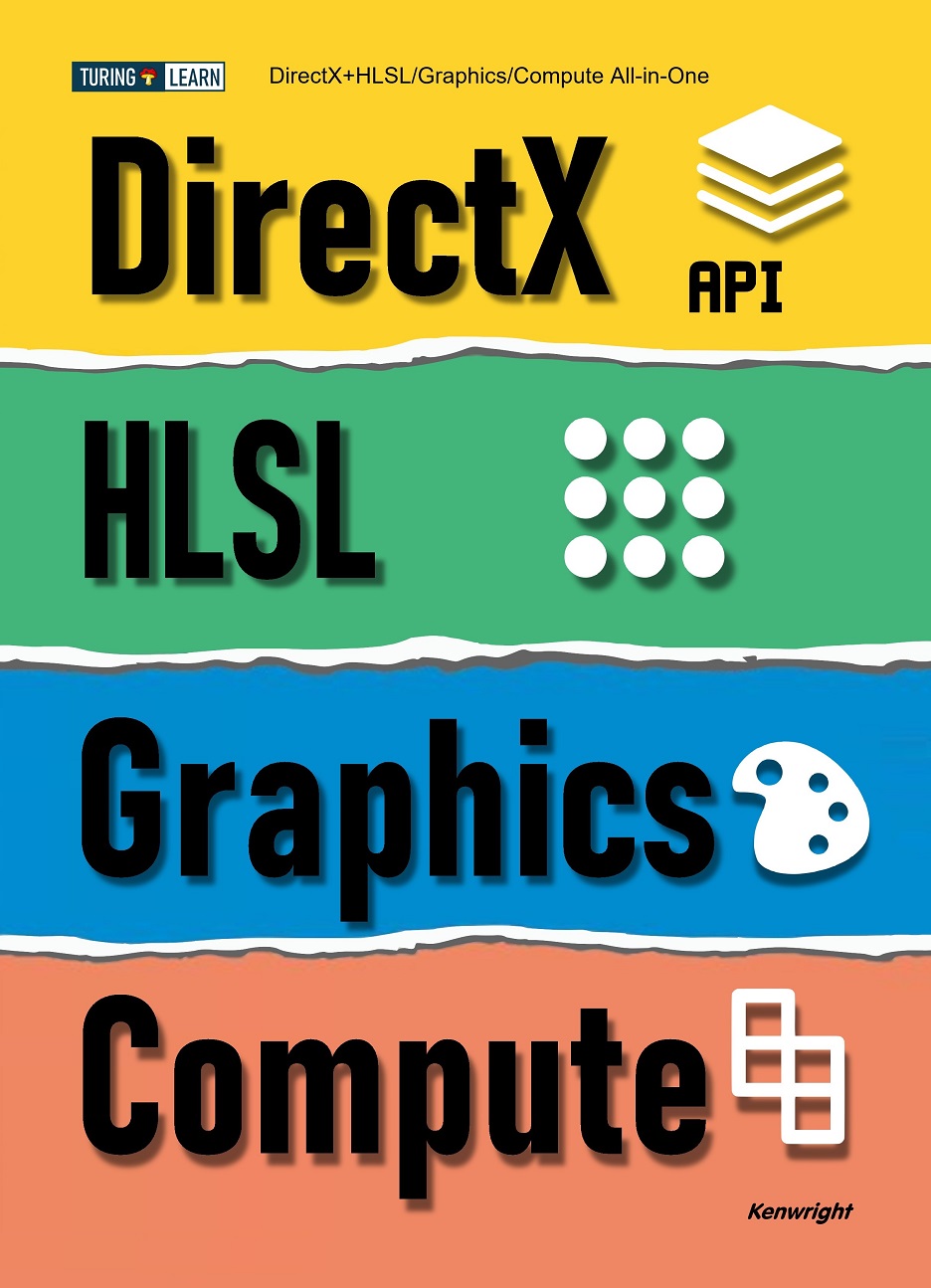
DirectX+HLSL/Graphics/Compute All-in-One
View Details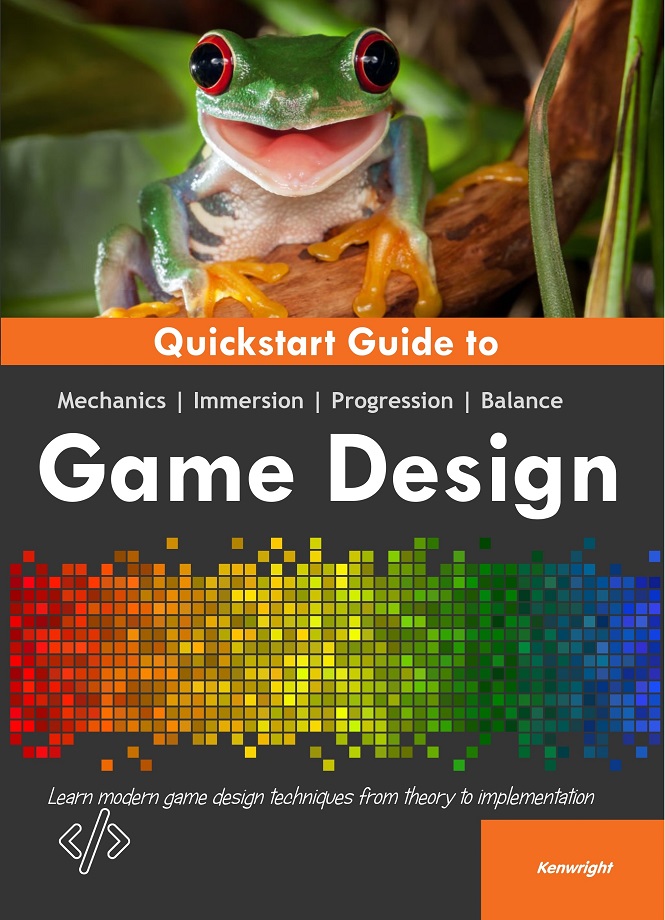
Quickstart Guide to Game Design
View Details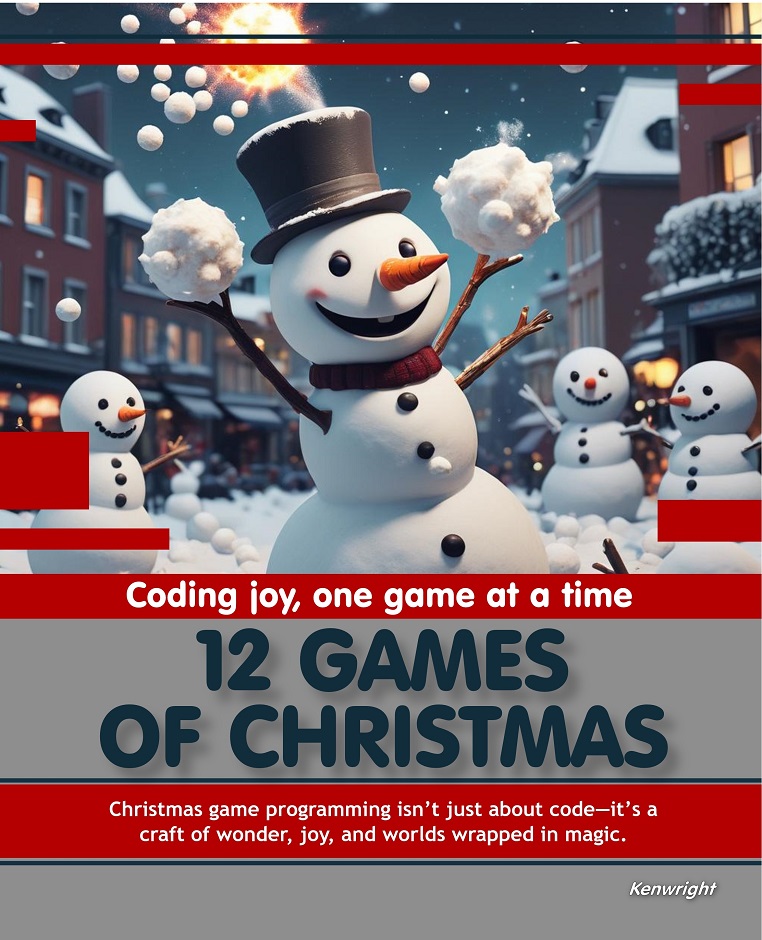
12 Games of Christmas
View Details
Reader Discussions
Share Your Thoughts
Elizabeth Williams
I love how the author weaves personal anecdotes into the discussion of graphics. It made the material feel more relatable.
Posted 25 days ago ReplyJohn Miller
I noticed a subtle shift in tone when the author discussed graphics. Did you catch that too?
Posted 5 days agoJessica Thomas
The author's critique of conventional thinking around webgpu was bold. Do you agree with their perspective?
Posted 13 days ago ReplyKaren Jackson
Has anyone tried implementing the strategies around wgsl in a real-world setting? I'd love to hear how it went.
Posted 8 days ago ReplySarah Garcia
I'm curious how others interpreted the author's stance on ai - it seemed nuanced but open to multiple readings.
Posted 27 days ago ReplyThomas Thompson
The discussion on webgpu was particularly helpful for my current project. I'd love to hear how others have applied these concepts.
Posted 25 days ago Reply