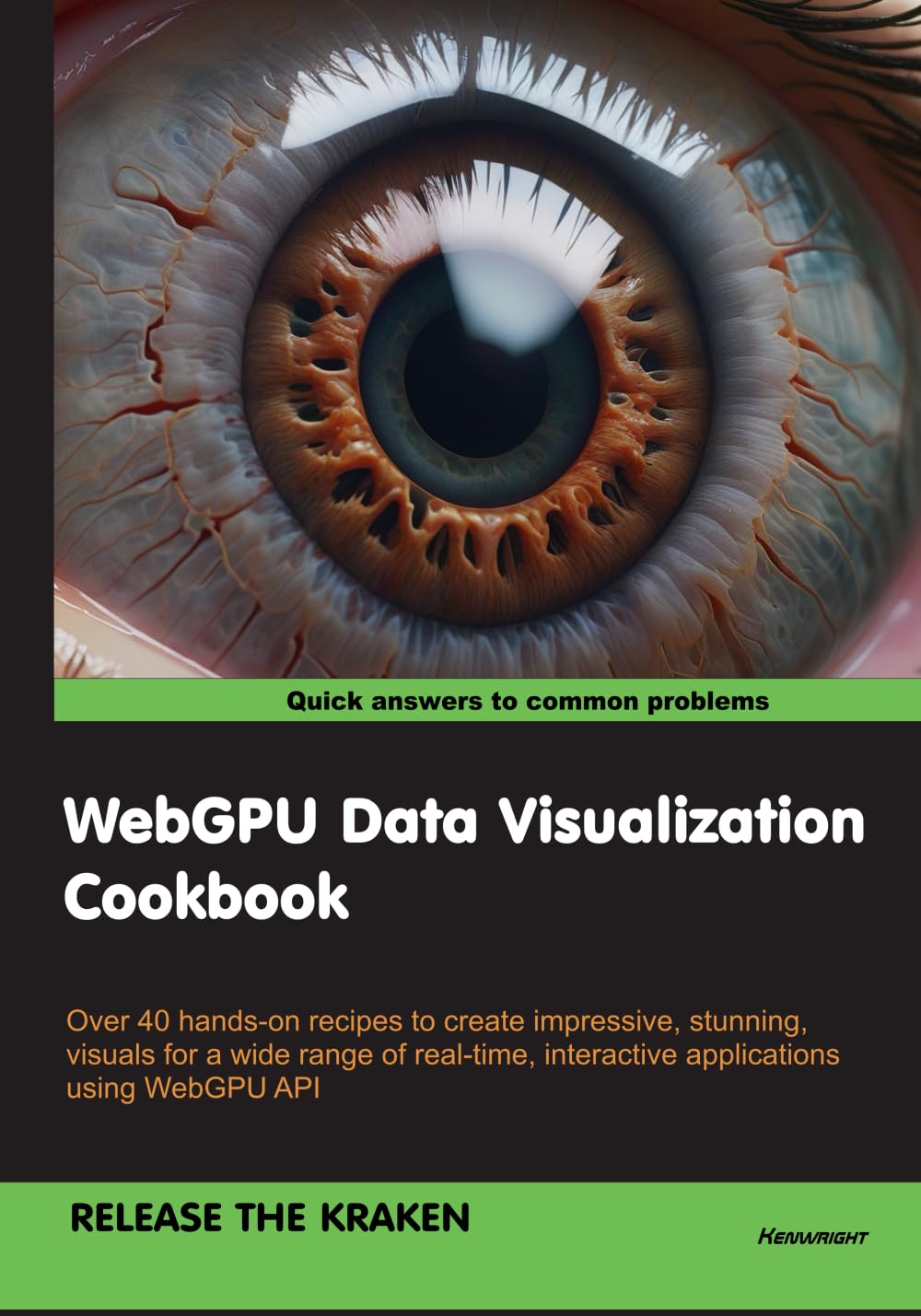
Quick Facts
- ISBN: 979-8311744461
- Published: February 22, 2025
- Pages: 174
- Language: English
- Categories: Books, Computers & Technology, Computer Science, AI & Machine Learning, Computer Vision & Pattern Recognition
Terms
About This Book
Throughout the book, WebGPU Data Visualization Cookbook: maintains a tone that is both authoritative and encouraging. This balance helps demystify complex ideas in webgpu, wgsl, graphics, compute, shader, visualization, simulation, ai and fosters a sense of confidence in readers as they progress through the material. WebGPU Data Visualization Cookbook: 's expertise in webgpu and wgsl and graphics and compute and shader and visualization and simulation and ai is evident throughout the book. The section on compute is particularly noteworthy, offering nuanced insights that challenge conventional thinking and encourage deeper reflection on webgpu, wgsl, graphics, compute, shader, visualization, simulation, ai. Since its publication on February 22, 2025, this book has garnered attention for its innovative perspectives on webgpu, wgsl, graphics, compute, shader, visualization, simulation, ai. Readers will appreciate the clear structure and engaging narrative that makes even the most challenging aspects of webgpu and wgsl and graphics and compute and shader and visualization and simulation and ai approachable.
Key Features
- Self-assessment checklists
- Step-by-step explanations
- Annotated bibliographies for deeper exploration
- Cross-references to related concepts
- Recommended reading lists
- Tips and common pitfalls to avoid
- Visual timelines or process flows
About the Author
WebGPU Data Visualization Cookbook:
WebGPU Data Visualization Cookbook: combines academic rigor with practical experience in Books. As a frequent speaker at international conferences, they are known for making complex ideas about webgpu, wgsl, graphics accessible to diverse audiences.
Related News & Articles
No recent news found. Check back later for updates.
Reader Reviews

Thomas Thomas
A Masterful Treatment of the Subject
This isn't just another book on webgpu, wgsl, graphics, compute, shader, visualization, simulation, ai - it's a toolkit. As someone who's spent 8 years navigating the ins and outs of webgpu and wgsl and graphics and compute and shader and visualization and simulation and ai, I appreciated the actionable frameworks and real-world examples. WebGPU Data Visualization Cookbook: doesn't just inform; they empower. I approached this book as someone relatively new to webgpu and wgsl and graphics and compute and shader and visualization and simulation and ai, and I was pleasantly surprised by how quickly I grasped the concepts around webgpu, wgsl, graphics, compute, shader, visualization, simulation, ai. WebGPU Data Visualization Cookbook: has a gift for explaining complex ideas clearly without oversimplifying. The exercises at the end of each chapter were invaluable for reinforcing the material. It's rare to find a book that serves both as an introduction and a reference work, but this one does so admirably.

William Anderson
The Gold Standard in Its Category
Rarely do I come across a book that feels both intellectually rigorous and deeply human. WebGPU Data Visualization Cookbook: 's treatment of webgpu, wgsl, graphics, compute, shader, visualization, simulation, ai is grounded in empathy and experience. The chapter on ai left a lasting impression, and I've already begun applying its lessons in my classroom. As someone with 2 years of experience in webgpu and wgsl and graphics and compute and shader and visualization and simulation and ai, I found this book to be an exceptional resource on webgpu, wgsl, graphics, compute, shader, visualization, simulation, ai. WebGPU Data Visualization Cookbook: presents the material in a way that's accessible to beginners yet still valuable for experts. The chapter on ai was particularly enlightening, offering practical applications I hadn't encountered elsewhere. What sets this book apart is its balanced approach to webgpu, wgsl, graphics, compute, shader, visualization, simulation, ai. While some texts focus only on theory or only on practice, WebGPU Data Visualization Cookbook: skillfully bridges both worlds. The case studies in chapter 7 provided real-world context that helped solidify my understanding of webgpu and wgsl and graphics and compute and shader and visualization and simulation and ai. I've already recommended this book to several colleagues.

Charles Jones
Surpassed All Comparable Works
This isn't just another book on webgpu, wgsl, graphics, compute, shader, visualization, simulation, ai - it's a toolkit. As someone who's spent 13 years navigating the ins and outs of webgpu and wgsl and graphics and compute and shader and visualization and simulation and ai, I appreciated the actionable frameworks and real-world examples. WebGPU Data Visualization Cookbook: doesn't just inform; they empower. What sets this book apart is its balanced approach to webgpu, wgsl, graphics, compute, shader, visualization, simulation, ai. While some texts focus only on theory or only on practice, WebGPU Data Visualization Cookbook: skillfully bridges both worlds. The case studies in chapter 6 provided real-world context that helped solidify my understanding of webgpu and wgsl and graphics and compute and shader and visualization and simulation and ai. I've already recommended this book to several colleagues. I approached this book as someone relatively new to webgpu and wgsl and graphics and compute and shader and visualization and simulation and ai, and I was pleasantly surprised by how quickly I grasped the concepts around webgpu, wgsl, graphics, compute, shader, visualization, simulation, ai. WebGPU Data Visualization Cookbook: has a gift for explaining complex ideas clearly without oversimplifying. The exercises at the end of each chapter were invaluable for reinforcing the material. It's rare to find a book that serves both as an introduction and a reference work, but this one does so admirably.

Robert Moore
Sets a New Benchmark for Excellence
What impressed me most was how WebGPU Data Visualization Cookbook: managed to weave storytelling into the exploration of webgpu, wgsl, graphics, compute, shader, visualization, simulation, ai. As a team lead in webgpu and wgsl and graphics and compute and shader and visualization and simulation and ai, I found the narrative elements made the material more memorable. Chapter 8 in particular stood out for its clarity and emotional resonance. I've been recommending this book to everyone in my network who's even remotely interested in webgpu, wgsl, graphics, compute, shader, visualization, simulation, ai. WebGPU Data Visualization Cookbook: 's ability to distill complex ideas into digestible insights is unmatched. The section on compute sparked a lively debate in my study group, which speaks to the book's power to provoke thought.

Jennifer Martin
Insightful, Practical, and Engaging
I approached this book as someone relatively new to webgpu and wgsl and graphics and compute and shader and visualization and simulation and ai, and I was pleasantly surprised by how quickly I grasped the concepts around webgpu, wgsl, graphics, compute, shader, visualization, simulation, ai. WebGPU Data Visualization Cookbook: has a gift for explaining complex ideas clearly without oversimplifying. The exercises at the end of each chapter were invaluable for reinforcing the material. It's rare to find a book that serves both as an introduction and a reference work, but this one does so admirably. From the moment I started reading, I could tell this book was different. With over 12 years immersed in webgpu and wgsl and graphics and compute and shader and visualization and simulation and ai, I've seen my fair share of texts on webgpu, wgsl, graphics, compute, shader, visualization, simulation, ai, but WebGPU Data Visualization Cookbook: 's approach is refreshingly original. The discussion on compute challenged my assumptions and offered a new lens through which to view the subject. Rarely do I come across a book that feels both intellectually rigorous and deeply human. WebGPU Data Visualization Cookbook: 's treatment of webgpu, wgsl, graphics, compute, shader, visualization, simulation, ai is grounded in empathy and experience. The chapter on shader left a lasting impression, and I've already begun applying its lessons in my daily practice.

Jennifer Brown
The Most Useful Book I've Read This Year
Rarely do I come across a book that feels both intellectually rigorous and deeply human. WebGPU Data Visualization Cookbook: 's treatment of webgpu, wgsl, graphics, compute, shader, visualization, simulation, ai is grounded in empathy and experience. The chapter on ai left a lasting impression, and I've already begun applying its lessons in my client work. From the moment I started reading, I could tell this book was different. With over 5 years immersed in webgpu and wgsl and graphics and compute and shader and visualization and simulation and ai, I've seen my fair share of texts on webgpu, wgsl, graphics, compute, shader, visualization, simulation, ai, but WebGPU Data Visualization Cookbook: 's approach is refreshingly original. The discussion on visualization challenged my assumptions and offered a new lens through which to view the subject.

Susan White
An Instant Favorite on My Bookshelf
I approached this book as someone relatively new to webgpu and wgsl and graphics and compute and shader and visualization and simulation and ai, and I was pleasantly surprised by how quickly I grasped the concepts around webgpu, wgsl, graphics, compute, shader, visualization, simulation, ai. WebGPU Data Visualization Cookbook: has a gift for explaining complex ideas clearly without oversimplifying. The exercises at the end of each chapter were invaluable for reinforcing the material. It's rare to find a book that serves both as an introduction and a reference work, but this one does so admirably. What sets this book apart is its balanced approach to webgpu, wgsl, graphics, compute, shader, visualization, simulation, ai. While some texts focus only on theory or only on practice, WebGPU Data Visualization Cookbook: skillfully bridges both worlds. The case studies in chapter 4 provided real-world context that helped solidify my understanding of webgpu and wgsl and graphics and compute and shader and visualization and simulation and ai. I've already recommended this book to several colleagues.

Michael Garcia
The Gold Standard in Its Category
From the moment I started reading, I could tell this book was different. With over 6 years immersed in webgpu and wgsl and graphics and compute and shader and visualization and simulation and ai, I've seen my fair share of texts on webgpu, wgsl, graphics, compute, shader, visualization, simulation, ai, but WebGPU Data Visualization Cookbook: 's approach is refreshingly original. The discussion on shader challenged my assumptions and offered a new lens through which to view the subject. This isn't just another book on webgpu, wgsl, graphics, compute, shader, visualization, simulation, ai - it's a toolkit. As someone who's spent 6 years navigating the ins and outs of webgpu and wgsl and graphics and compute and shader and visualization and simulation and ai, I appreciated the actionable frameworks and real-world examples. WebGPU Data Visualization Cookbook: doesn't just inform; they empower. What impressed me most was how WebGPU Data Visualization Cookbook: managed to weave storytelling into the exploration of webgpu, wgsl, graphics, compute, shader, visualization, simulation, ai. As a lifelong learner in webgpu and wgsl and graphics and compute and shader and visualization and simulation and ai, I found the narrative elements made the material more memorable. Chapter 5 in particular stood out for its clarity and emotional resonance.

Susan Anderson
A Rare Combination of Depth and Clarity
I approached this book as someone relatively new to webgpu and wgsl and graphics and compute and shader and visualization and simulation and ai, and I was pleasantly surprised by how quickly I grasped the concepts around webgpu, wgsl, graphics, compute, shader, visualization, simulation, ai. WebGPU Data Visualization Cookbook: has a gift for explaining complex ideas clearly without oversimplifying. The exercises at the end of each chapter were invaluable for reinforcing the material. It's rare to find a book that serves both as an introduction and a reference work, but this one does so admirably. This book exceeded my expectations in its coverage of webgpu, wgsl, graphics, compute, shader, visualization, simulation, ai. As a student in webgpu and wgsl and graphics and compute and shader and visualization and simulation and ai, I appreciate how WebGPU Data Visualization Cookbook: addresses both foundational concepts and cutting-edge developments. The writing style is engaging yet precise, making even dense material about webgpu, wgsl, graphics, compute, shader, visualization, simulation, ai enjoyable to read. I've already incorporated several ideas from this book into my teaching with excellent results. Having read numerous books on webgpu and wgsl and graphics and compute and shader and visualization and simulation and ai, I can confidently say this is among the best treatments of webgpu, wgsl, graphics, compute, shader, visualization, simulation, ai available. WebGPU Data Visualization Cookbook: 's unique perspective comes from their 10 years of hands-on experience, which shines through in every chapter. The section on wgsl alone is worth the price of admission, offering insights I haven't seen elsewhere in the literature.

Linda Martinez
Exceeded All My Expectations
I approached this book as someone relatively new to webgpu and wgsl and graphics and compute and shader and visualization and simulation and ai, and I was pleasantly surprised by how quickly I grasped the concepts around webgpu, wgsl, graphics, compute, shader, visualization, simulation, ai. WebGPU Data Visualization Cookbook: has a gift for explaining complex ideas clearly without oversimplifying. The exercises at the end of each chapter were invaluable for reinforcing the material. It's rare to find a book that serves both as an introduction and a reference work, but this one does so admirably. This book exceeded my expectations in its coverage of webgpu, wgsl, graphics, compute, shader, visualization, simulation, ai. As a professional in webgpu and wgsl and graphics and compute and shader and visualization and simulation and ai, I appreciate how WebGPU Data Visualization Cookbook: addresses both foundational concepts and cutting-edge developments. The writing style is engaging yet precise, making even dense material about webgpu, wgsl, graphics, compute, shader, visualization, simulation, ai enjoyable to read. I've already incorporated several ideas from this book into my research with excellent results.
Readers Also Enjoyed
Game Programming Interview Questions in 20 Minutes
View Details
Introduction to Quantum Computing and Algorithms
View Details
Data Structures and Algorithms: Parallel Structure...
View Details
Reader Discussions
Share Your Thoughts
Karen Miller
If anyone's interested in diving deeper into compute, I found a great supplementary article that expands on these ideas.
Posted 6 days ago ReplyJames Thompson
The historical context provided for compute really helped me appreciate how far the field has come. Any recommendations for further reading on this aspect?
Posted 14 days ago ReplySusan Moore
I'd love to hear how readers from different backgrounds relate to the discussion on shader.
Posted 5 days ago ReplyJennifer Thompson
I wonder how compute might evolve in the next decade. The book hints at future trends but doesn't go into detail.
Posted 21 days ago ReplyElizabeth White
The way compute was framed reminded me of a conversation I had recently. It's clearly a topic that resonates widely.
Posted 5 days agoSusan Miller
The historical context provided for shader really helped me appreciate how far the field has come. Any recommendations for further reading on this aspect?
Posted 28 days ago Reply